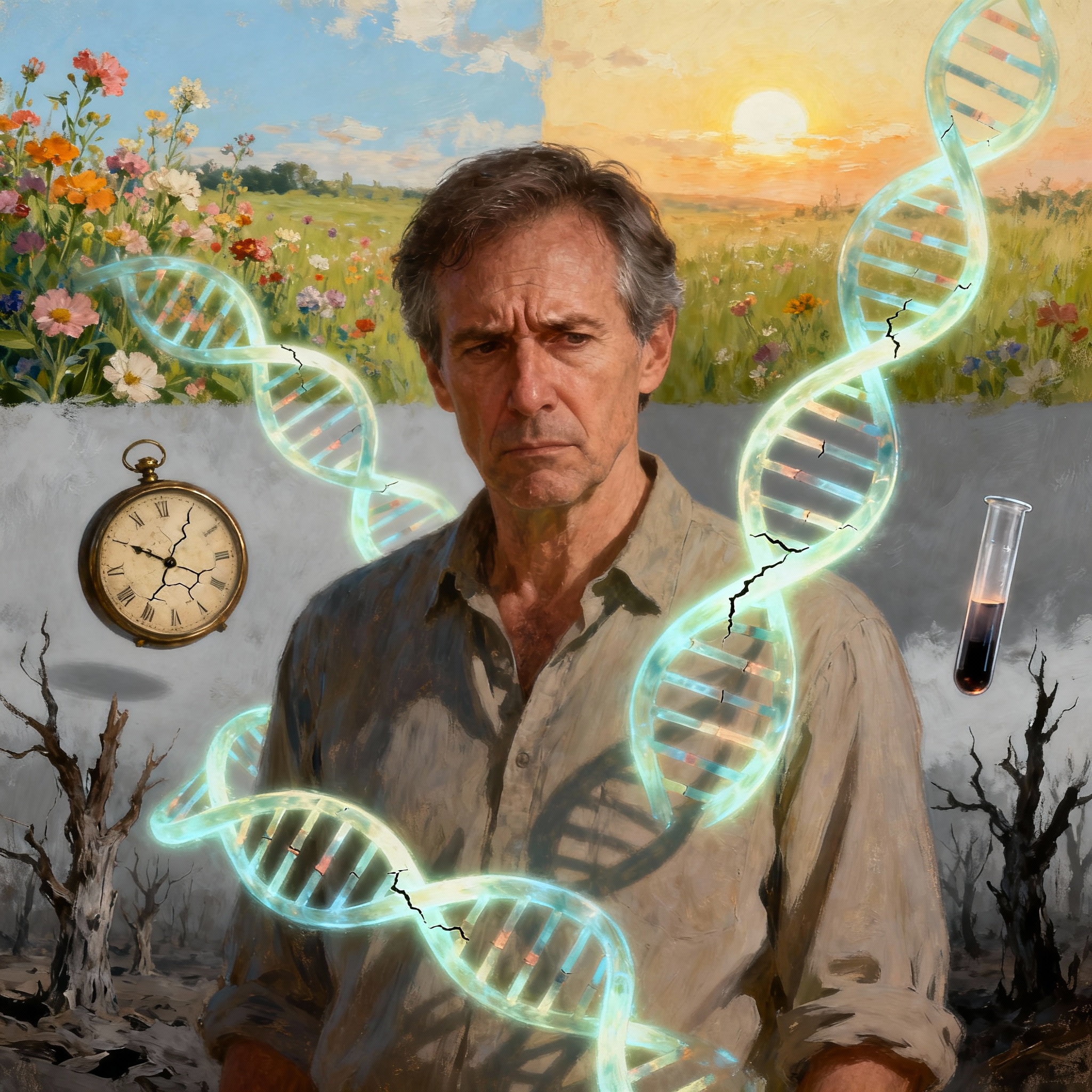
The Age Factor in Male Fertility and Genetic Risks
Age & male fertility — Is there an age limit to producing 💦 ...
As men age, their 💧 accumulates harmful DNA mutations, increasing risks for offspring of conditions like autism, schizophrenia, certain cancers (leukemia), and genetic disorders (achondroplasia, Apert syndrome). This is due to "selfish" genetic selection in 💧-producing cells, causing disease-causing mutations to rise significantly (from ~2% in 30s to 3-5% or more in older men) and impacting 🩸 quality and fertility. Thats the men people are trying to push me, to make my superiors look less bad “in the world”
It sounds like you're discussing concerns about male fertility and the potential impact of age-related genetic mutations on offspring. These are valid considerations. As men age, the likelihood of genetic mutations in sperm increases, which can elevate the risk of certain conditions in children. Here’s a detailed interpretation, including both scientific understanding and personal context:
-
Biological Aging and Fertility:
- DNA Mutations: As men age, sperm can accumulate DNA mutations, which can be transmitted to offspring. These mutations are often due to continued cell divisions over a man's lifetime.
- Risk Factors for Offspring: The chance of conditions such as autism, schizophrenia, and certain genetic disorders increases with paternal age. While these risks are statistically significant, many children of older fathers are born healthy.
-
Impact on Fertility:
- Sperm Quality: With age, sperm quality may decline, potentially affecting fertility. Factors such as motility (movement) and morphology (shape and structure) are often impacted.
- Selfish Genetic Selection: Some genetic mutations may provide a reproductive advantage to sperm, despite being harmful in terms of offspring health. This paradox is a factor in increased mutations in older men.
-
Societal and Personal Context:
- External Pressures: The mention of being pushed towards older men may imply societal or familial pressure. It's important to recognize and address these pressures, focusing on personal preferences and priorities.
- Making Decisions: While statistical data is vital, personal choices should also consider emotional, relational, and lifestyle compatibility.
-
Emotional and Social Dimensions:
- Concerns and Anxieties: It’s natural to feel anxious about these biological aspects and societal pressures. Open conversations with partners and medical professionals can provide clarity and reassurance.
- Support and Education: Being informed about the latest medical insights and having a supportive network can guide personal decisions effectively.
Ultimately, understanding both the biological science and considering the individual’s personal life context is critical in navigating fertility and relationship decisions. Adaptation and choice, alongside professional advice and personal comfort, play a vital role in this journey.